

Application Scenarios
01
Enterprise Application Development
02
Mobile Application Development
03
Business Process Automation
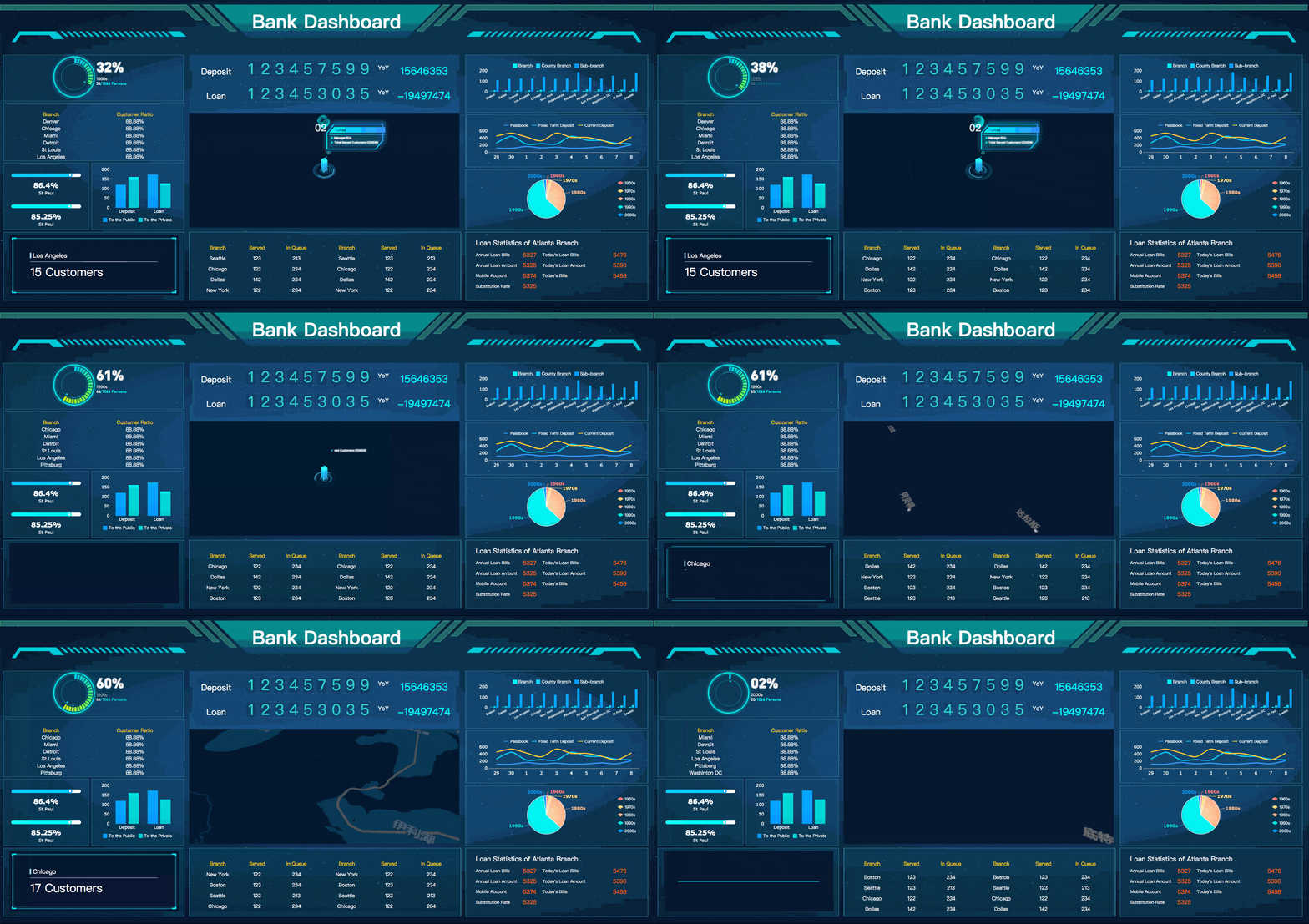
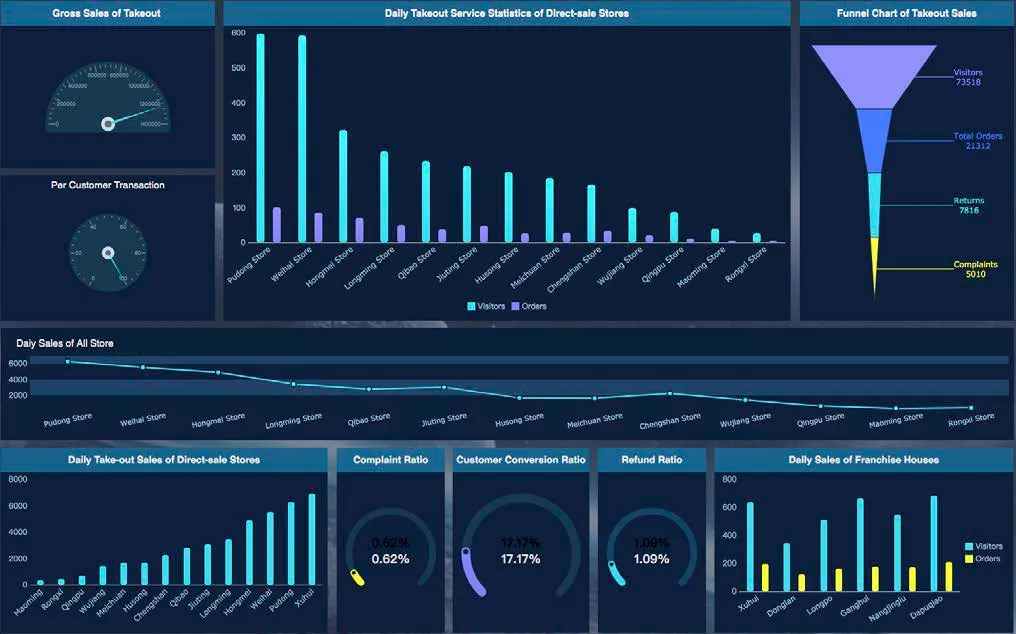
Low-code platform - Business Data Intelligence (BDI) is a complete solution. It utilizes technologies such as data extraction, data cleansing, data warehousing, data mining, data analysis, and data visualization to help enterprises collect, integrate, and analyze data from different business systems. This enables enterprises to understand their own business operations in real-time and accurately, thereby discovering potential problems and opportunities, optimizing business processes, enhancing market competitiveness, and achieving efficient transformation from data to insights and then to action, providing strong support for enterprise decision-making.
Core Functions
Core Functions
Visual Design
Provide an intuitive visual interface where users can quickly complete the preliminary design of an application interface by dragging and dropping various interface elements such as text boxes and buttons to specified locations, preview the interface effect in real-time, and easily make adjustments and modifications.
Data Model Construction
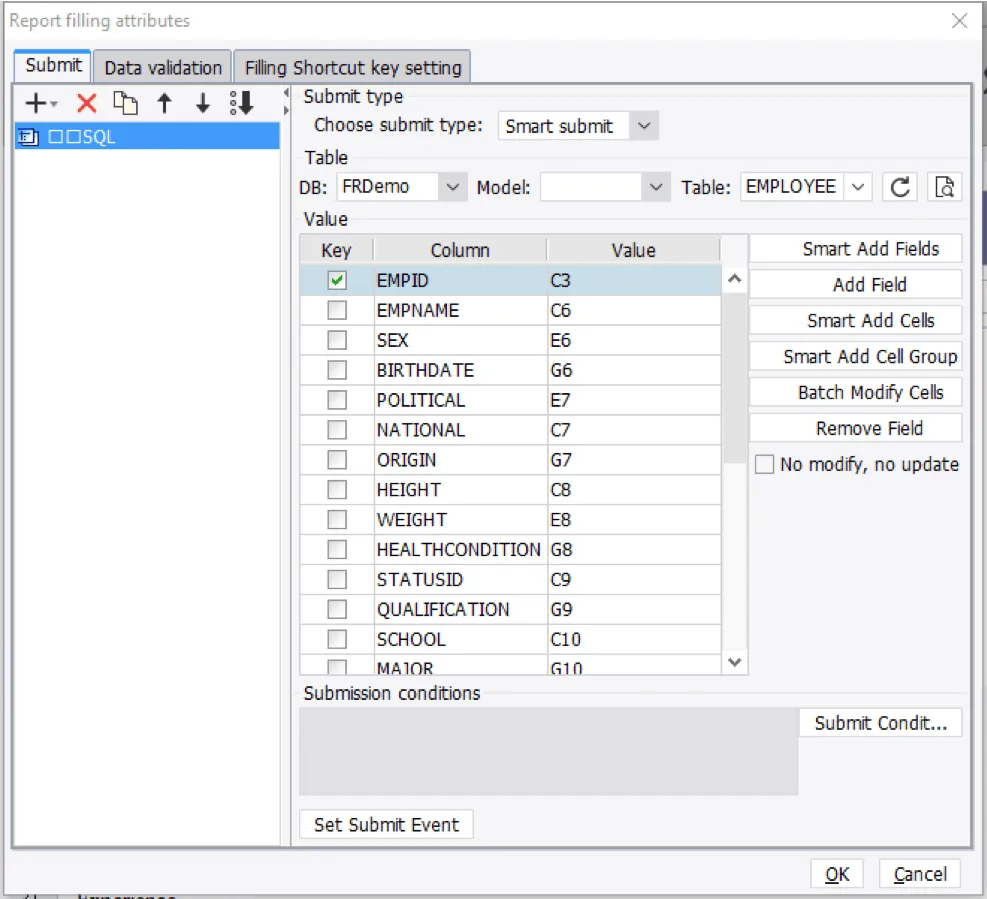
Supports users in defining data models graphically, including creating data tables, setting field attributes, defining data relationships, etc. The platform will automatically generate corresponding data storage structures and operational logic based on the definitions.
Integration Capability
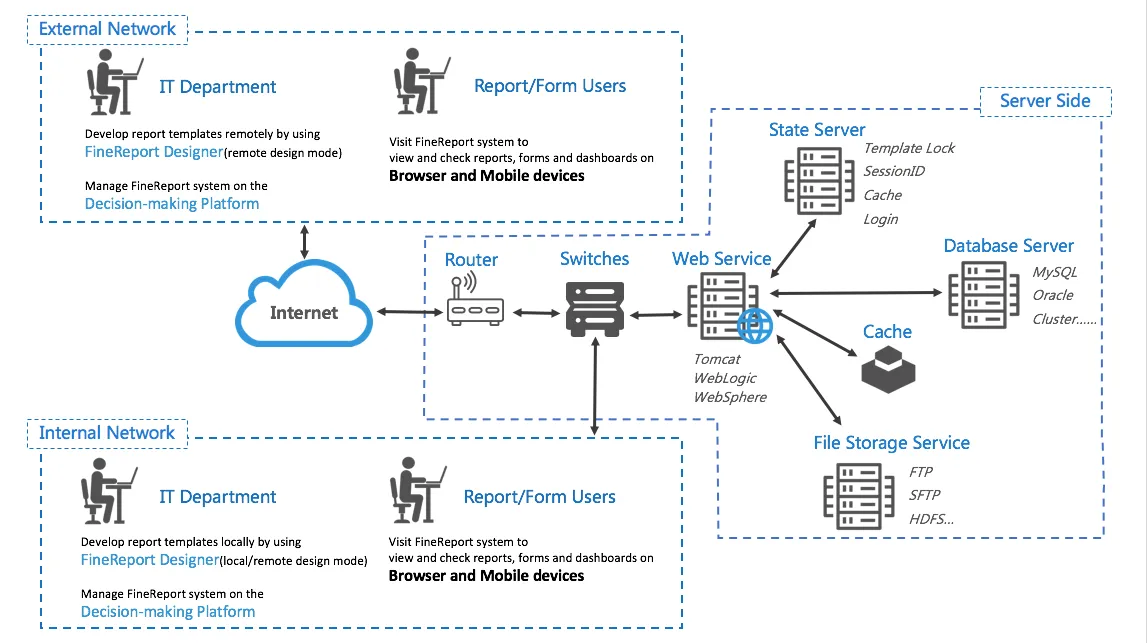
Can be integrated with existing enterprise systems such as ERP, CRM, etc., through predefined interfaces and integration tools to achieve data sharing and interaction, enabling newly developed applications to integrate into the existing IT environment.
Application Scenarios
01
Enterprise Application Development
02
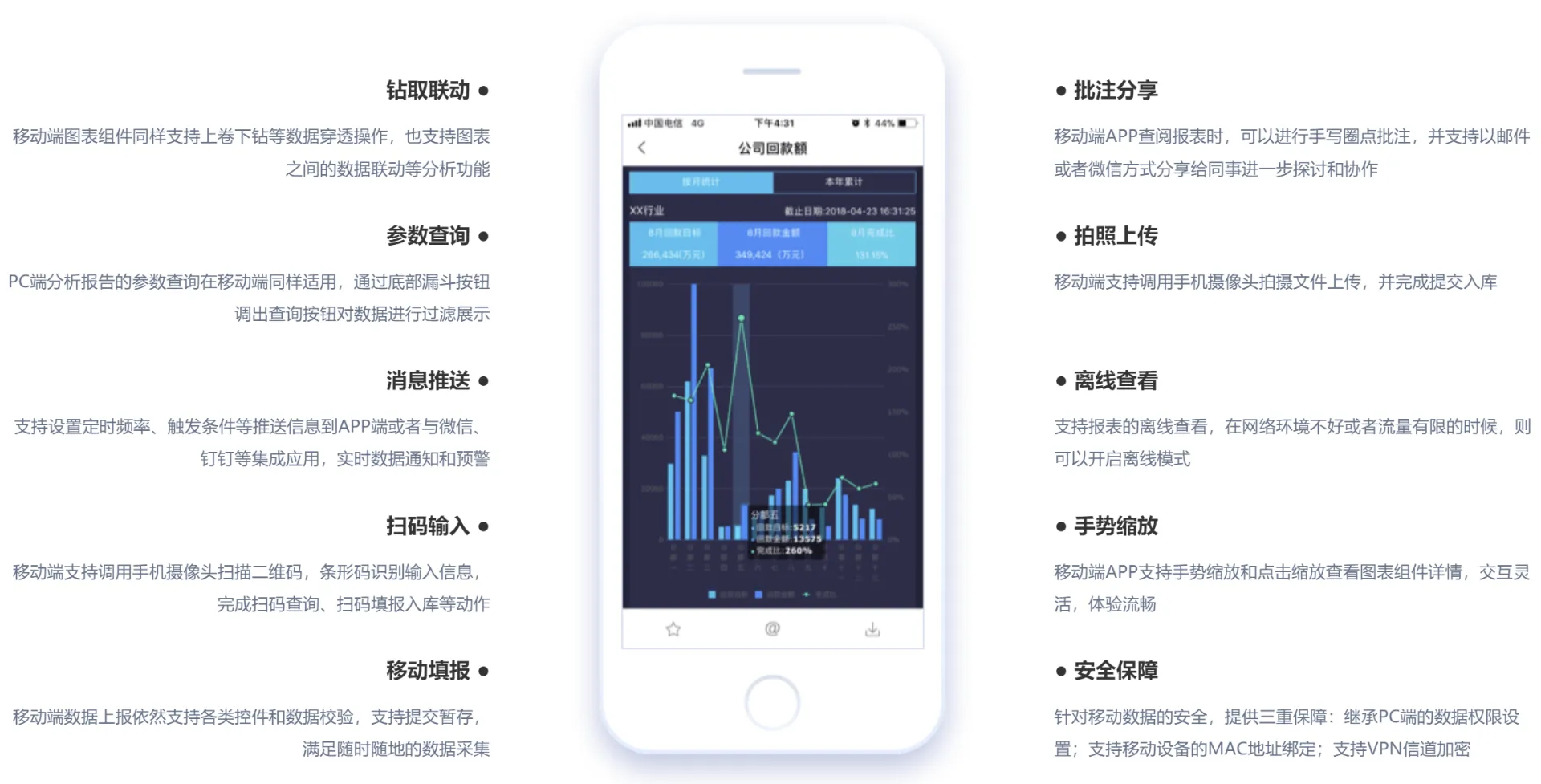
Mobile Application Development
03
Business Process Automation
Advantage Highlights
Improve development efficiency
Reduced the amount of code writing, the development cycle can be shortened by several times or even more, and can quickly respond to changes in business requirements.
Lowering Technical Barriers
Non-professional developers can also participate in application development, promoting deep integration of business and technology.
Reduce development costs
Reduces reliance on professional developers, lowers labor costs, and decreases maintenance costs caused by code errors and other issues.